

Smart Factory
On the way to your smart factory: the digital factory of the future.

Distinction through intelligence
A production company can no longer distinguish itself solely with the quality of the product delivered
Shorter delivery times and increased delivery reliability are crucial for a manufacturing organization's competitiveness. A key step is reducing the gap between average order lead time and actual production time. This involves not only increasing machine capacity but also optimizing internal logistics and process flows. At the same time, collecting, analyzing, and utilizing data plays a key role in improving predictability and decision-making.
Transforming a factory into a smart production environment requires more than just digitalization. A successful smart factory only emerges when technological innovation is combined with process optimization. Therefore, the transition begins with improving existing workflows based on lean manufacturing principles. Only then can digitalization truly deliver results. This creates a flexible, efficient, and future-oriented production environment in which people, processes, and technology work seamlessly together.
What are the characteristics of a "Smart Factory?"
Quit Excel Sheets
Don't search for information, but receive it
Quick Response Manufacturing
Connected, interconnected databases
No folders with projects, everything digital
Respond to changing demand easily and agilely
Clear communication
Predictive maintenance of machines in the field
Using innovations (Artificial Intelligence, augmented reality and Machine Learning)
Not only record everything, but also be able to optimize it
Have information available from multiple locations
Seeing data as the new gold
Distinction through intelligence
A production company can no longer distinguish itself solely with the quality of the product delivered
Shorter delivery times and higher delivery reliability are essential for the success and competitiveness of your company. Reducing the difference between the average order lead time and the net production time is an important factor in this. This is not only about using larger or faster machines, but mainly about realizing a more efficient internal logistics process. In addition, the effective collection, analysis and use of data plays a crucial role.
Making your factory smarter — or developing a true smart factory — is a complex and challenging process. It requires not only the use of modern technologies and digitalization, but also thorough optimization of existing processes. Before digitalization can be successfully implemented, it is therefore necessary to first thoroughly optimize the processes according to the principles of Lean manufacturing. In this way, you lay a solid foundation for a flexible, efficient and future-proof production environment.
What are the characteristics of a "Smart Factory?"
Quit Excel Sheets
Don't search for information, but receive it
Quick Response Manufacturing
Connected, interconnected databases
No folders with projects, everything digital
Respond to changing demand easily and agilely
Clear communication
Predictive maintenance of machines in the field
Using innovations (Artificial Intelligence, augmented reality and Machine Learning)
Not only record everything, but also be able to optimize it
Have information available from multiple locations
Seeing data as the new gold
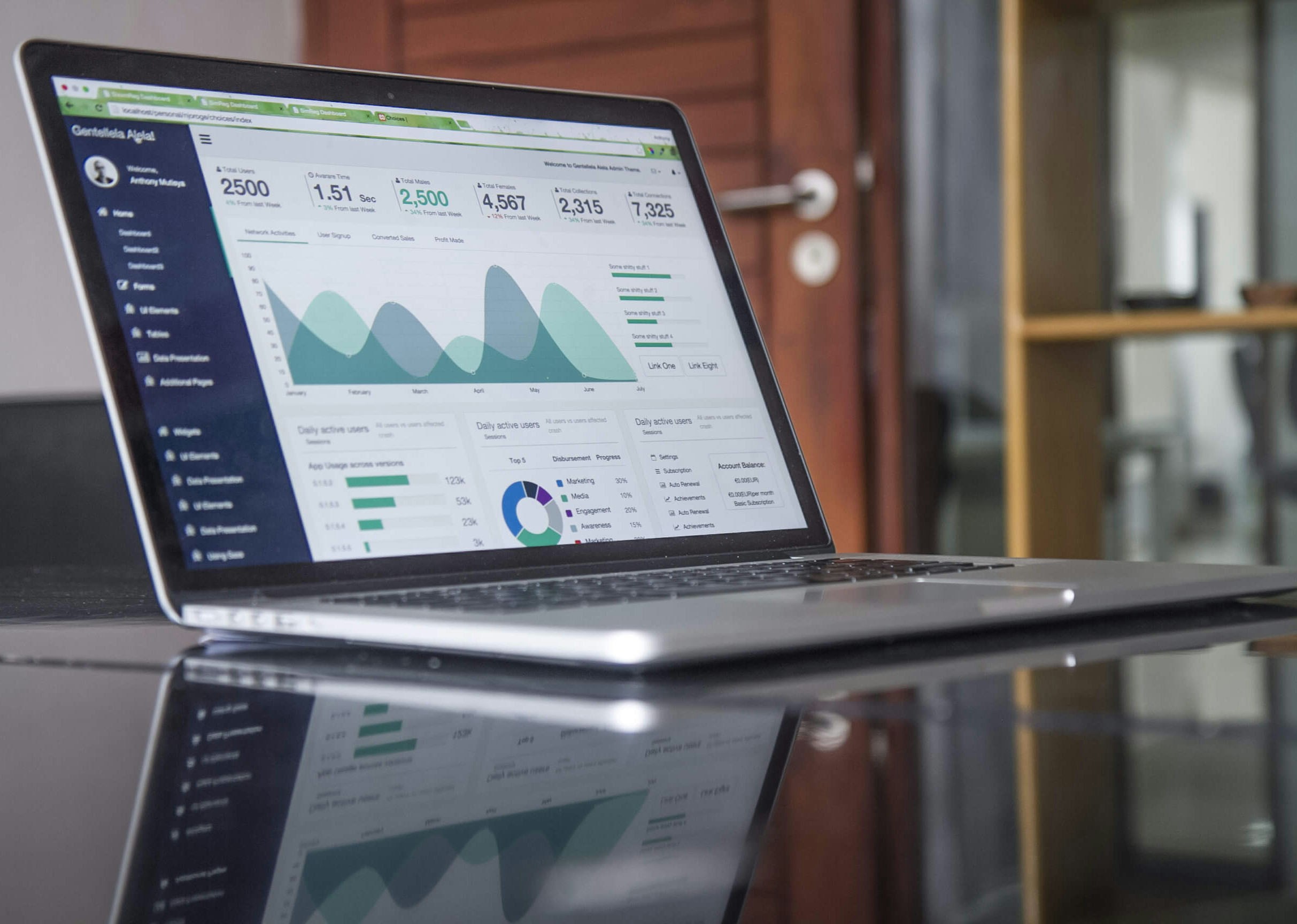
Data is key
As the digital transition continues within industry, insight into production processes is increasing, but accurate and centrally available data is often still lacking.
Every production machine generates valuable information such as meter readings, cycle times, downtimes, malfunctions, and various process parameters. This data is usually only visible locally on the control panel or in the PLC and is rarely collected or shared centrally.
By systematically unlocking this data, insight into the entire production process can be significantly increased. Engineers thus gain the ability to analyze performance, identify trends, and optimize processes. However, the question remains how to efficiently extract this data from the machine.
Solutions exist for collecting machine data for various types of controls, but each system provides the data in its own format or protocol. This makes integration complex and requires a uniform approach to standardize data and make it usable for analysis and further digitization.
Data is key
As the digital transition provides more insight into the production process, accurate data about the production process is often still missing.
Usually a production machine generates very interesting data, such as: Counter readings, cycle times, stagnations, malfunctions and other measured values. This information can then be consulted locally on the control screen.
With information from machines, insight into the entire production process can be greatly enriched. But how do you get this data out?
Of course, there are a number of solutions to achieve this for a specific type of control, each of which provides data in its own format.
Our partners



 EN
EN  NL
NL